
Why Is My UTI Coming Back Again and Again?
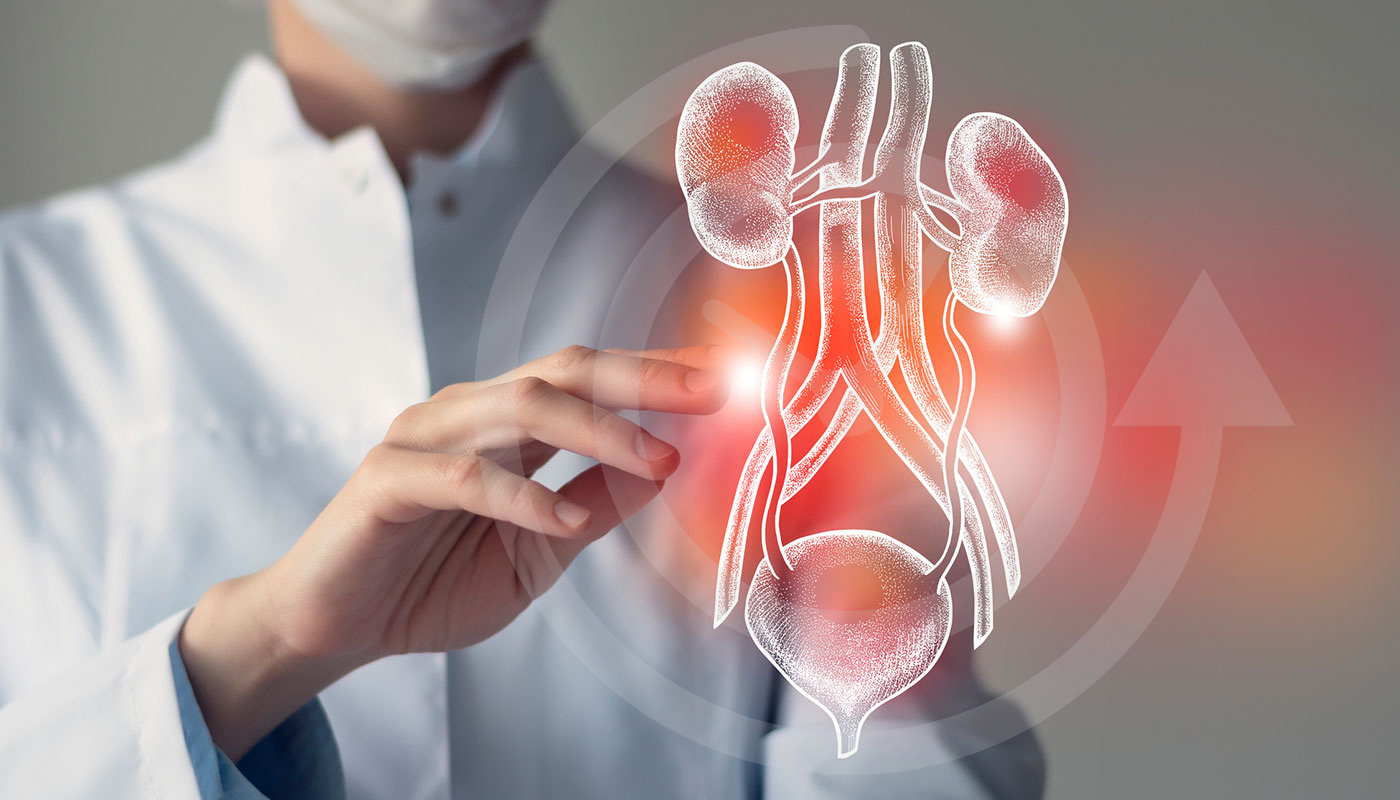
The burning starts again. You are rushing to the bathroom again. And your first thought is, “How can I have another UTI? I just finished the treatment.”
If this sounds familiar, you may be dealing with a recurrent urinary tract infection (UTI).
A recurrent urinary tract infection generally means having 2 UTIs within 6 months or 3 UTIs within a year. [1][2] Sometimes, it is a completely new infection. In other cases, symptoms return soon after treatment because the earlier infection may not have been fully cleared. [2]
Either way, repeatedly treating the symptoms without understanding why the UTI keeps returning can leave you stuck in the same cycle.
Key takeaways
- A recurrent UTI occurs when a person gets infected repeatedly over a short period.
- Causes of frequent UTI can be linked to sexual activity, menopause, incomplete bladder emptying or other urinary problems. [1]
- Burning and frequent urination do not always mean another UTI. [2]
- Finding out why the infection keeps returning can help your doctor plan better treatment and prevention.
Why does my UTI keep coming back?
There is no single reason. The cause can be different for every person.
| Possible reason | What may be happening |
|---|---|
| A new infection | Bacteria enter the urinary tract again after the previous infection has cleared. |
| The infection returns quickly | If symptoms come back within about 2 weeks, the earlier infection may not have been completely cleared. [2] |
| Sexual activity | Sexual intercourse is associated with a higher risk of recurrent UTI in some premenopausal women. [1] |
| Changes after menopause | Lower oestrogen levels can change vaginal and urinary tissues, making infection more likely. [1] |
| The bladder is not emptying fully | Urine left in the bladder can create conditions where bacteria are more likely to persist. [1] |
| Another urinary problem is present | Stones, urinary obstruction or other conditions may sometimes contribute to repeated symptoms. [1] |
A recurrent UTI in women is particularly common, but the reason can change depending on age, hormones, bladder function and lifestyle. [1]
Is it definitely another UTI?
Not always.
Burning, urgency and frequent urination can feel exactly like a UTI, but similar symptoms can occur with urinary bladder stone, vaginal or other urinary problems. [2]
That is why taking antibiotics every time symptoms appear may not always be the right approach.
For recurrent infections, the European Association of Urology (EAU) recommends confirming the diagnosis with a urine culture. [1]
Do I need scans or a bladder test?
Not always.
If you are otherwise well and have typical recurrent cystitis, extensive testing may not be necessary straight away. [1]
Your urologist may recommend further evaluation if there is a reason to suspect another problem, such as kidney stones, difficulty passing urine, obstruction or another bladder condition. [1]
Can recurrent UTIs be prevented?
In many cases, yes. But the right approach depends on why the infections are happening.
Depending on the cause, your doctor may discuss:
- drinking more fluids if your fluid intake is low
- changing contributing habits or triggers
- vaginal oestrogen for suitable postmenopausal women
- non-antibiotic preventive options
- preventive antibiotics in selected people when other measures have not worked. [1]
There is no single solution that works for everyone.
Your age, medical history, urine culture results and frequency of infection all matter when deciding what may help.
When should you see a urologist?
It may be time to see a urologist if your UTIs keep returning despite treatment.
You should also get checked if you are taking antibiotics repeatedly without knowing why the infection keeps coming back.
Seek medical care promptly if urinary symptoms are accompanied by:
- fever
- chills
- pain in your back or side
- vomiting
- feeling very unwell
The aim is not just to treat the next UTI. It is to understand why it keeps happening.
At Athaayu Uro Care, recurrent urinary symptoms are assessed to look for possible reasons or underlying urinary problems that guide the next step in your treatment and care.
FAQs
References
- European Association of Urology. EAU Guidelines on Urological Infections. Section: Recurrent Cystitis. EAU Guidelines.
- Advani SD, Thaden JT, Perez R, et al. State-of-the-Art Review: Recurrent Uncomplicated Urinary Tract Infections in Women. Clinical Infectious Diseases. 2025;80(3):e31–e42. doi:10.1093/cid/ciae653.